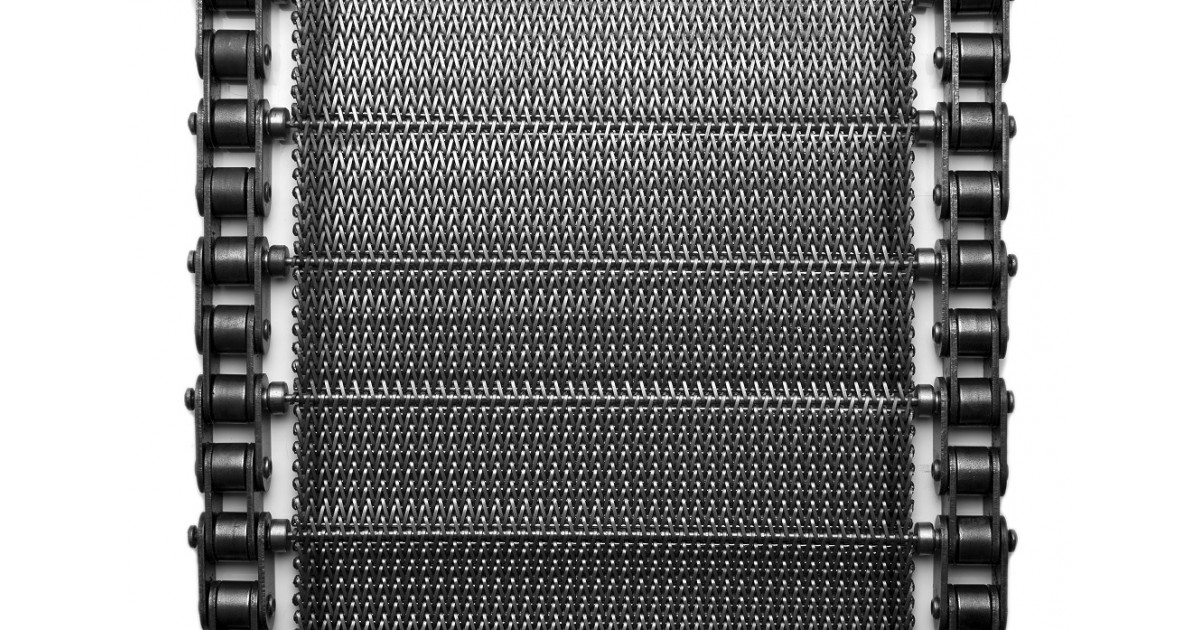
Inclined Conveyor

Configured to your product, capacity and line layout.
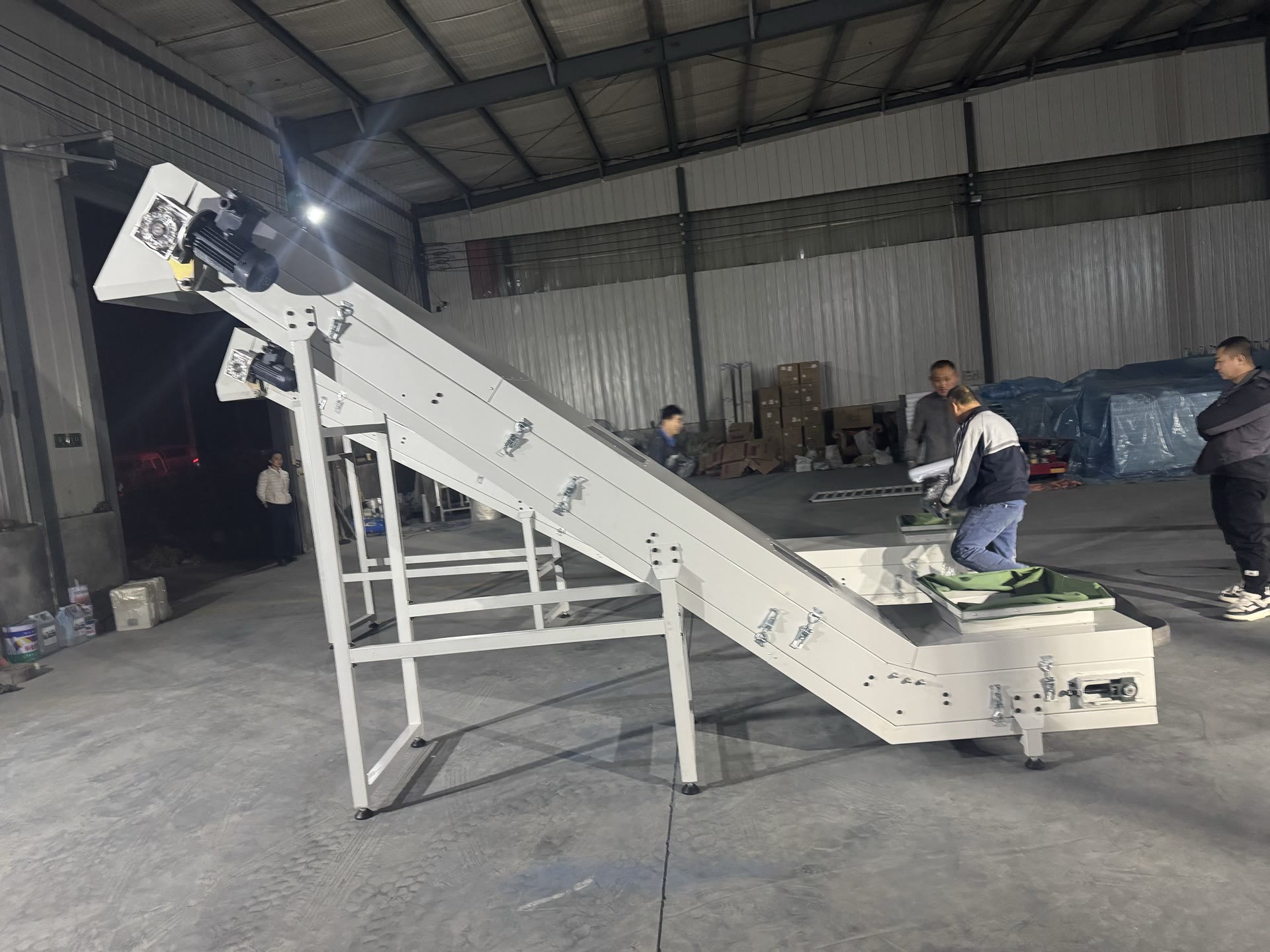
Conveyor

Inclined and vertical lifting conveyors with cleats or buckets to raise products between levels.

By product & loadBy working environmentBy line layout

Where It Is Used

  • Bulk, granules and powders in bucket elevators — grain, feed, chemical and building-material duties.
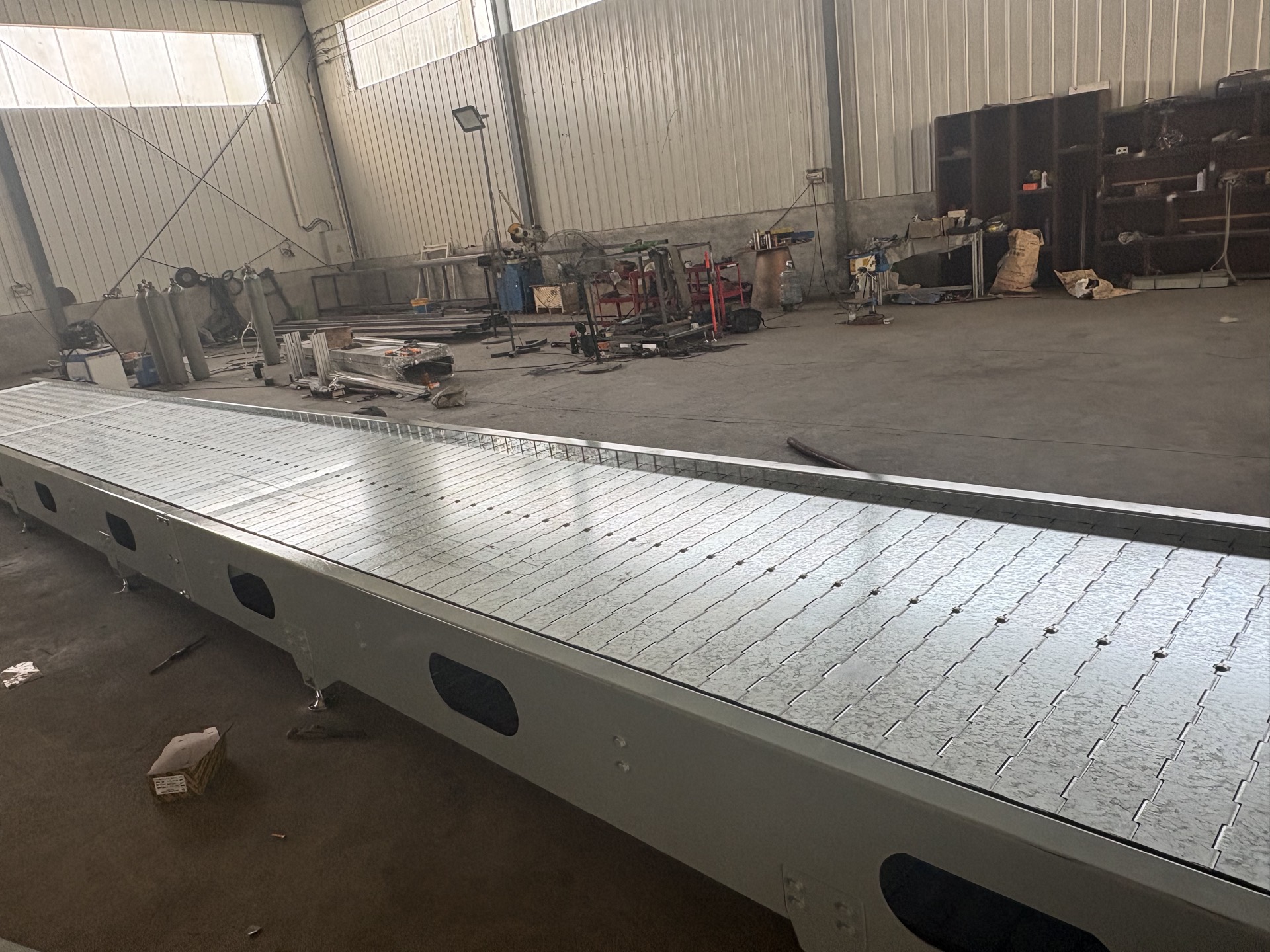
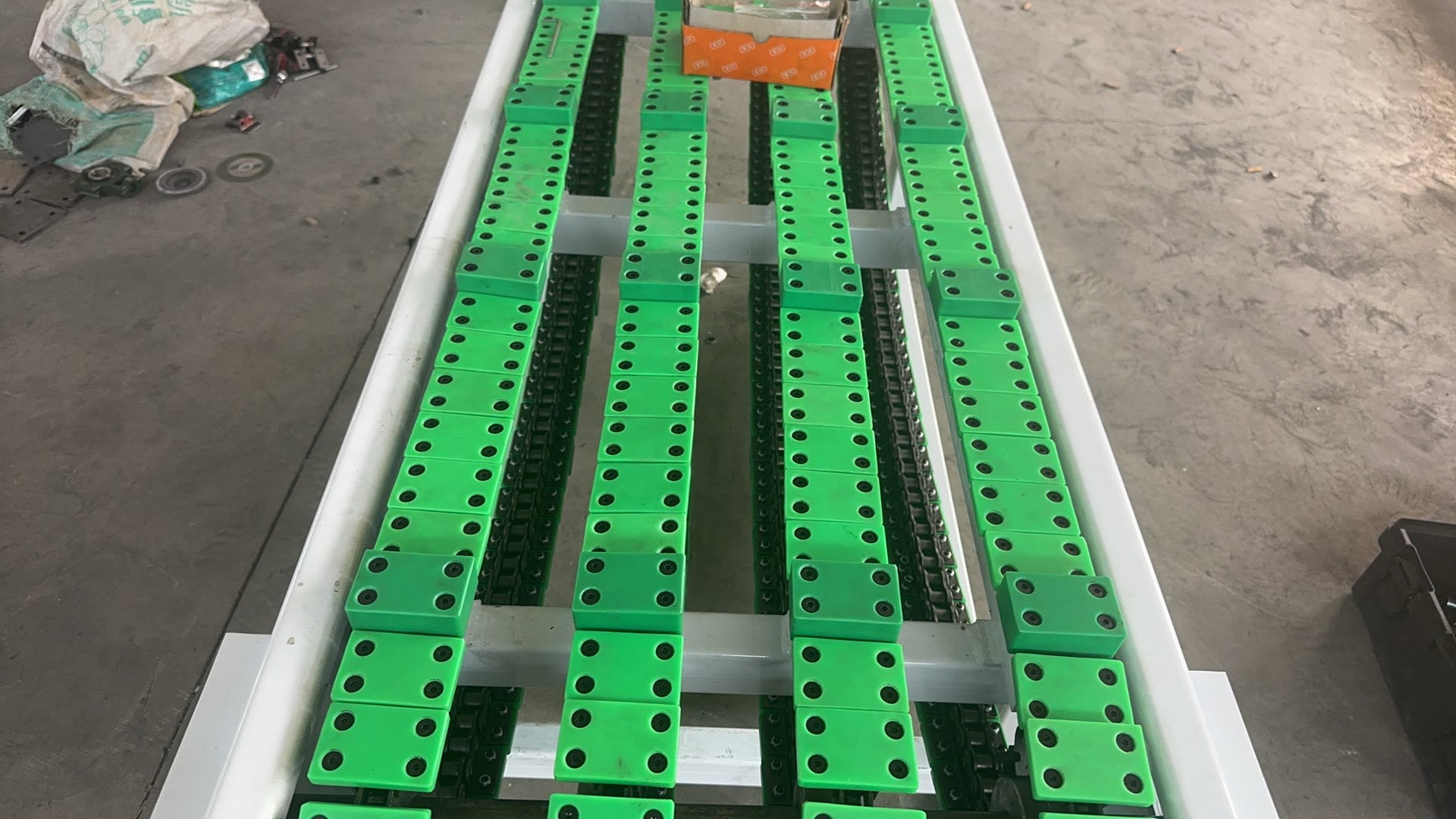
  • Cartons, workpieces and pallets on inclined belt or slat sections with cleats or support plates.
  • Food, fruit, vegetables, bottles and cans on inclined modular-belt or slat sections with cleats or skirts.
  • Between floors and equipment: raw-material intake, upper-level feeding, packaging lines and logistics inclines.

Key Features

  • Creates a height difference in limited floor space — connects floors and equipment and shortens the line.
  • Inclined belt and slat sections take cleats, skirts or buckets to prevent roll-back.
  • Bucket elevators suit vertical, high-capacity powder and granular duties.
  • Z-type (horizontal-incline-horizontal) layouts match infeed and discharge directions and reduce transfers.
  • Speed, angle and cleat design follow the material's angle of repose, size, moisture and drop.

Selection Notes

  • Beyond the material's friction or repose angle products roll back or build up: flat belts incline only gently, cleated belts further, but never any angle.
  • Infeed and discharge transfers are the hard part — drop, spill, blockage and dust need chutes, buffering and sealing.
  • Inclined sections can slide back on stop and start: anti-reversing, braking and clearing procedures, with heavy starts checked.
  • Bucket elevators need attention to bottom build-up, chain or belt tension, bucket wear, blockage and dust, plus service and clearing access.
  • High-lift, high-capacity units are heavy: foundations and structure matter, and one model's rated capacity is not the line's capability.
  • An inclined conveyor is not simply a conveyor on a slope — cleat height, skirts, buckets, infeed and return are designed, not assumed.
Get in Touch

Request a Quotation

Tell us about your process and we will confirm the configuration and prepare a quotation.
  • Your product, capacity and working environment
  • Configuration is confirmed with you before anything is quoted
  • Ask us anything first — there is no obligation

Request a Quotation

Fields marked with * are required.

Submitting opens a pre-filled draft in your email app — please review it and click Send manually. The website itself does not send email. We will review your requirements and get back to you.

Or write to us directly: pennzpp@gmail.com

Please check for the draft in your email app and send it manually. If nothing opened, contact us directly: pennzpp@gmail.com
Related Products

Related Products

Need Help Choosing?

Tell us your product, capacity and working environment — the configuration is agreed with you before a quotation is prepared.

Care & Application Guide

Care & Application Guide

Practical, safety-first notes on inspection, lubrication, cleaning and selection — general guidance only.